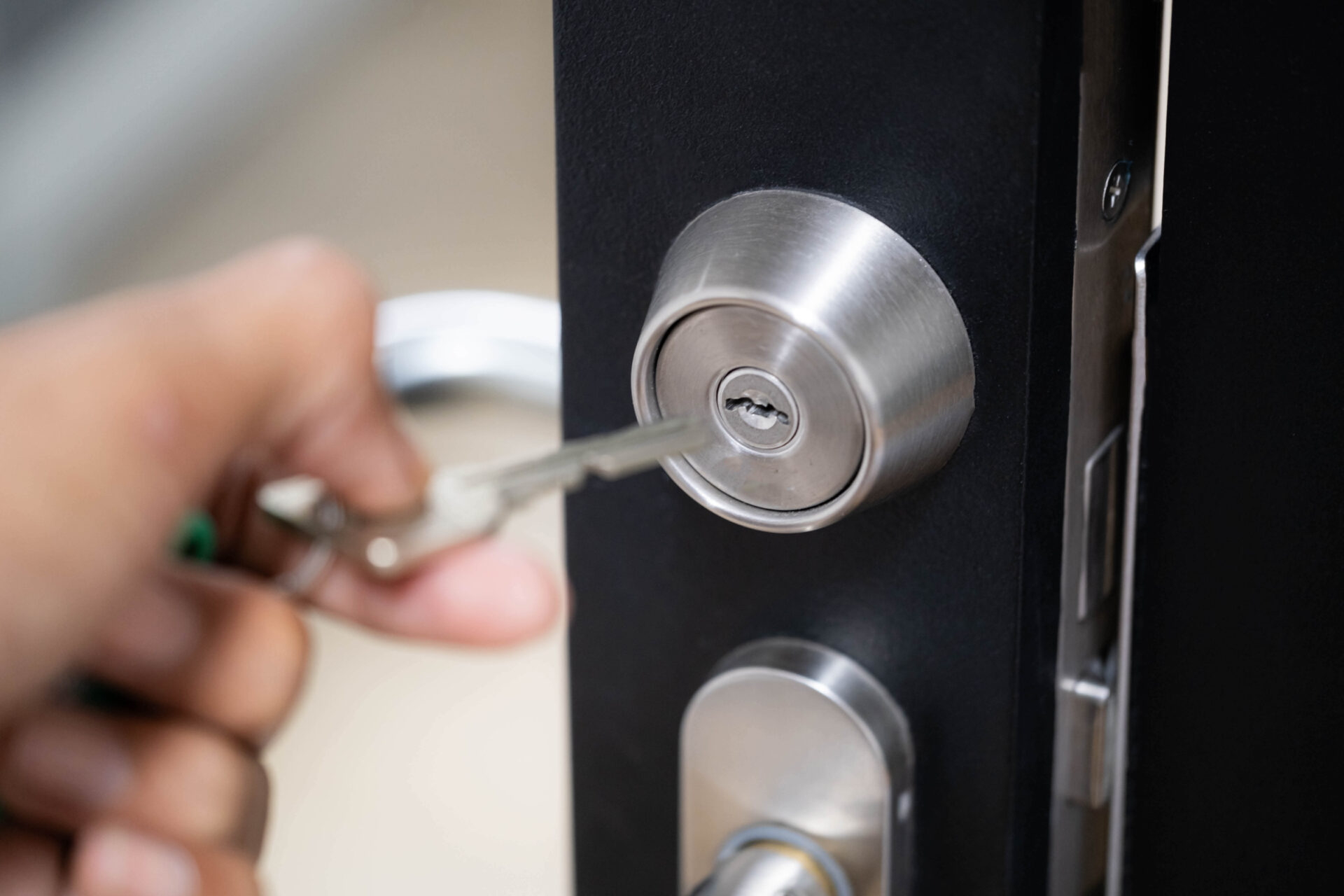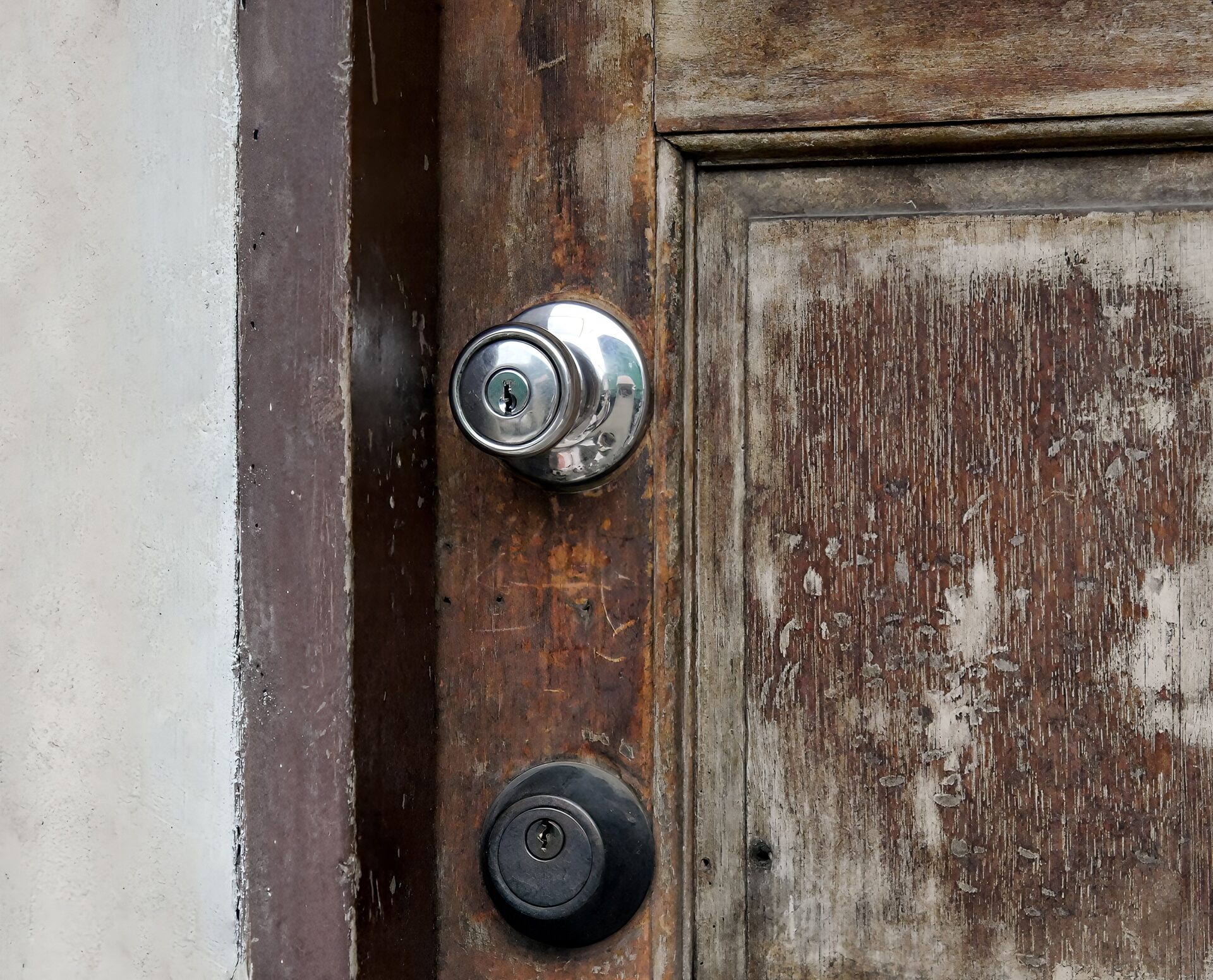
When it comes to home security, we generally think about different types of locks. Right now, it is a serious question whether to go with smart locks or stick with deadbolts. Both have pros and cons.
Deadbolts
Deadbolts have been securing homes for a very long time, and people trust them because of their effectiveness and strength in preventing break-ins. According to home security research from Consumer Reports, high-quality deadbolts give significantly better resistance to forced entry than standard door locks.
Digital locks
Digital locks are becoming a clever choice for homes. Smart locks can be better than older locks because they are safer and easier to use.
Types of smart lock technology
Smart locks use different types of technology to make getting into your home easy while keeping it safe. The most common ones use either Bluetooth or Wi-Fi.
Deadbolts vs smart locks: which keeps you safer?
Ensuring the safety of our homes is of utmost importance. When thinking about home security, it generally comes down to smart locks or regular deadbolts. It is vital to think about what makes them safe.
How they stand up to force
Deadbolts do a strong job of resisting someone trying to break in, while smart locks have features like anti-pick mechanisms.
Smart locks: Latest anti-pick features, but potentially vulnerable to electronic hacking.
Deadbolts: Resistant to forced entry, but can be picked.
Why homeowners pick smart locks
Keyless entry
Use a fingerprint, PIN or smartphone app instead of fumbling for keys.
Temporary access
Great for time-limited codes for visitors without carrying physical keys.
Remote control
Unlock or lock your door from anywhere; it’s ideal when a dog walker or contractor needs access.
Integration with smart home devices
Connect to security lights, cameras, sensors, alarms and home automation systems.
Monitoring and alerts
Get notifications when anyone enters or attempts unauthorised access.
Factors to consider before you decide to buy smart locks
Door compatibility
Not all doors support the latest smart locks out of the box. Older or non-standard doors may need a hybrid setup to combine traditional door locks with newer security devices.
Wi-Fi strength
Smart locks rely on stable connectivity to control access and manage your door remotely. Weak signals can limit features like access logs, alerts or seamless integration with other devices.
User habits
Some households enjoy the latest home technology, while others prefer the tactile feel of a physical key. Comfort level plays a big role in whether smart locks are worth the higher initial cost.
Lifestyle needs
If you frequently host contractors, guests or pet sitters, smart locks provide flexible access via temporary apps, codes or even facial recognition on select models.
Why professional installation matters
Installing a door lock may seem easy, but poor setup is one of the most common reasons smart locks fail. For smart locks to work perfectly, they must be installed correctly, with the right alignment and proper door preparation.
Traditional door locks generally need a full rekey across all doors. With many smart locks, a simple master code reset is enough, saving both money and time while reducing concerns.